

The baraat is the most energetic event of the entire wedding weekend. If you are on the groom's side, you are not a guest - you are part of the procession. This guide covers everything: fabrics, silhouettes, colors, and how to choose based on your relationship to the groom.
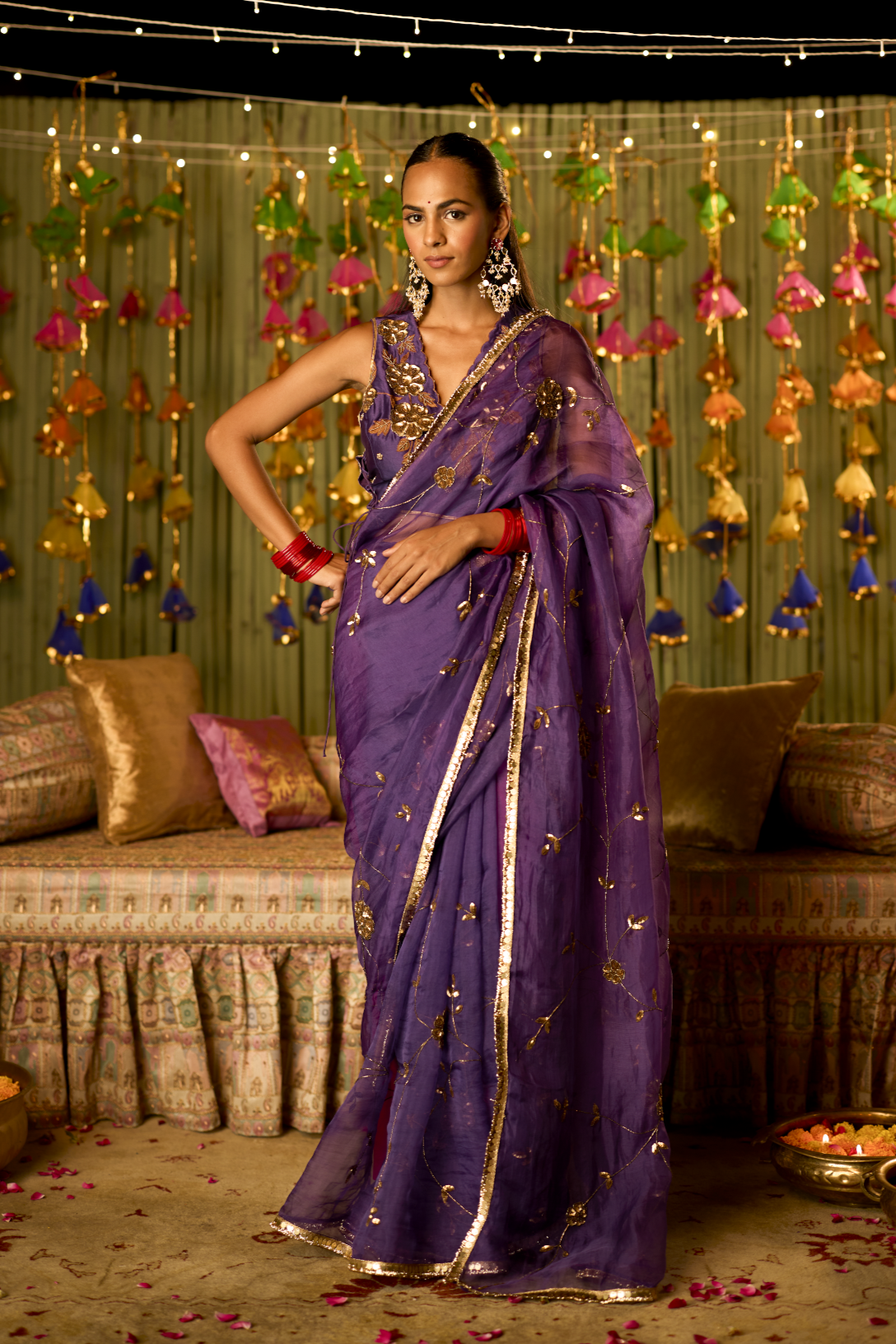
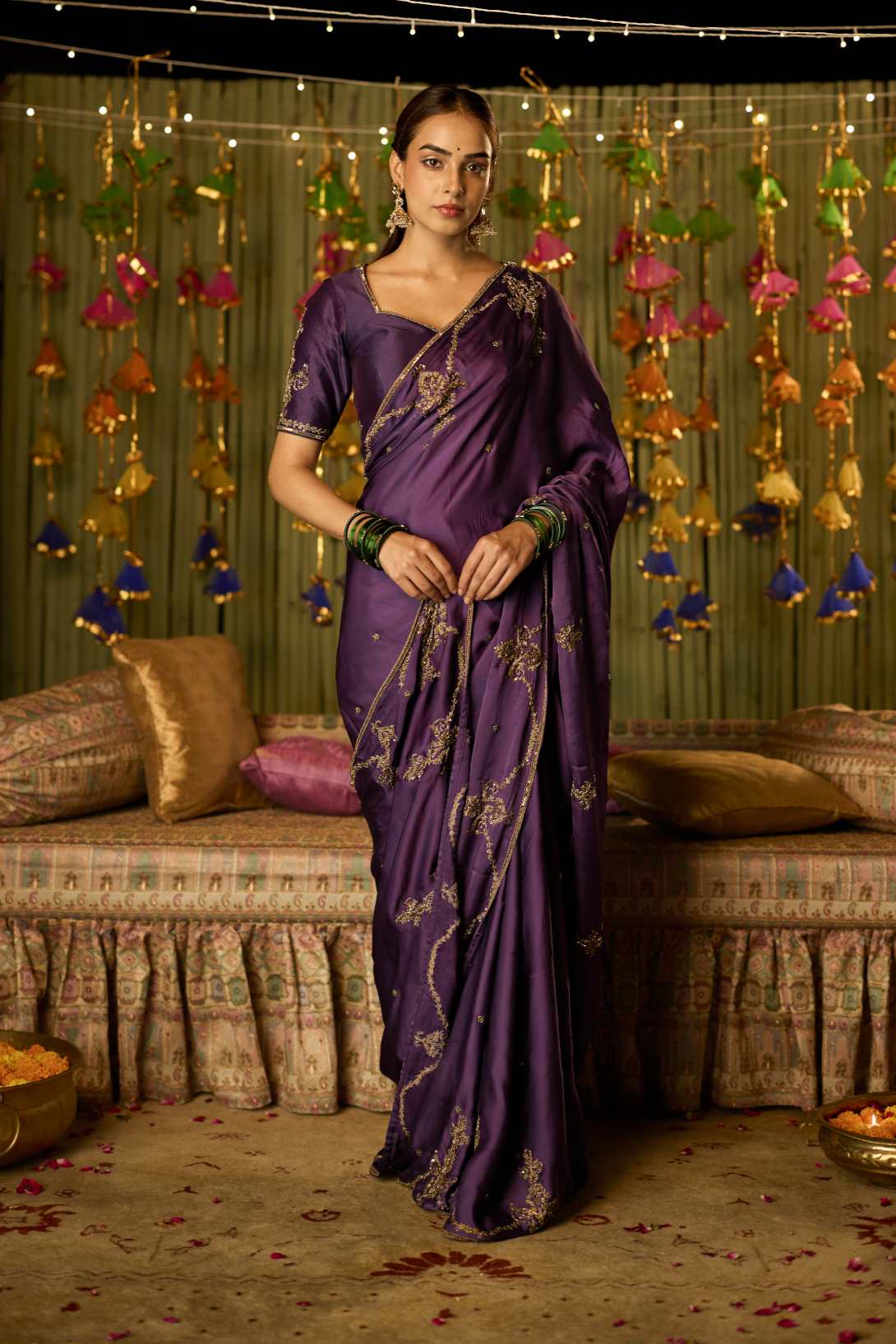
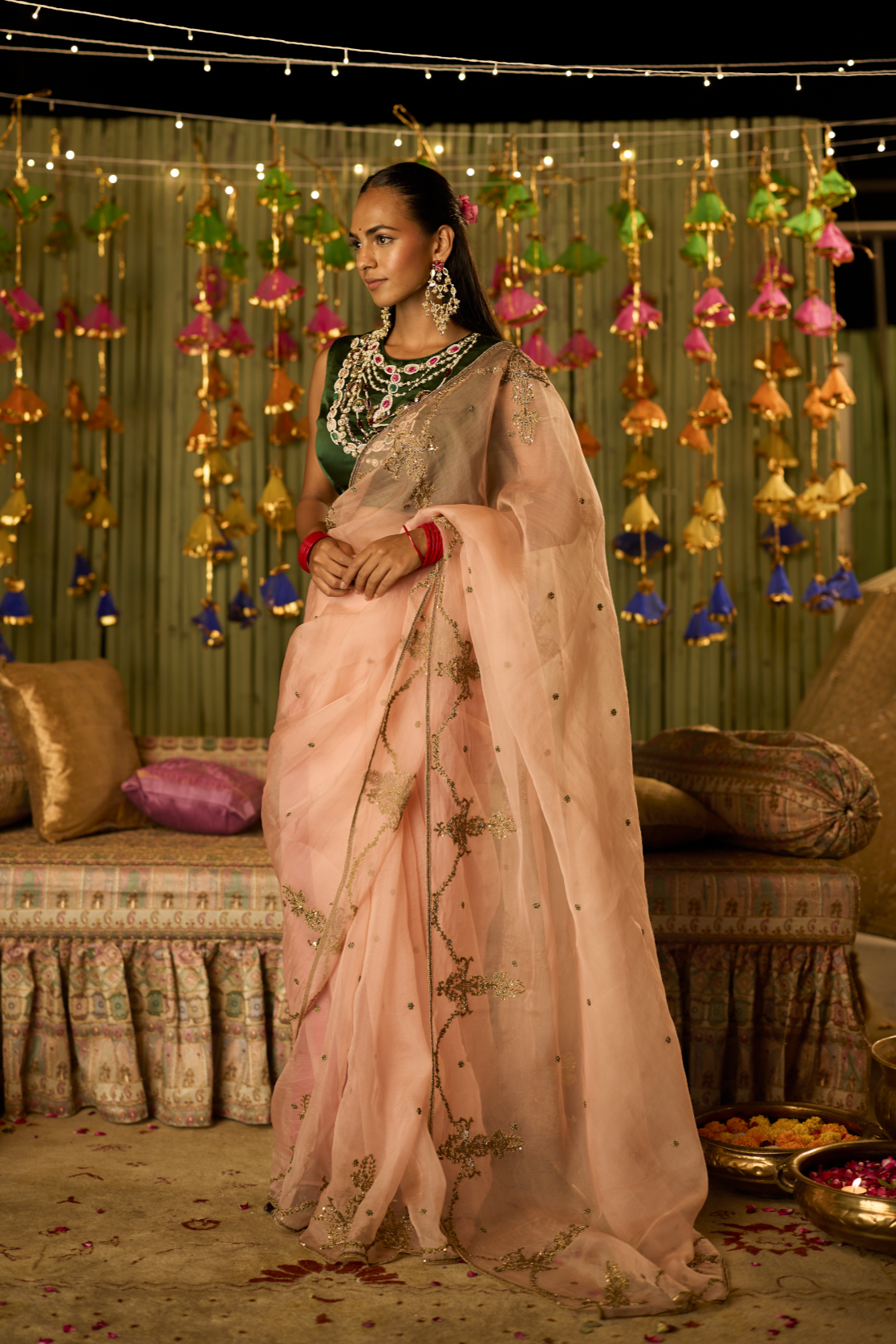
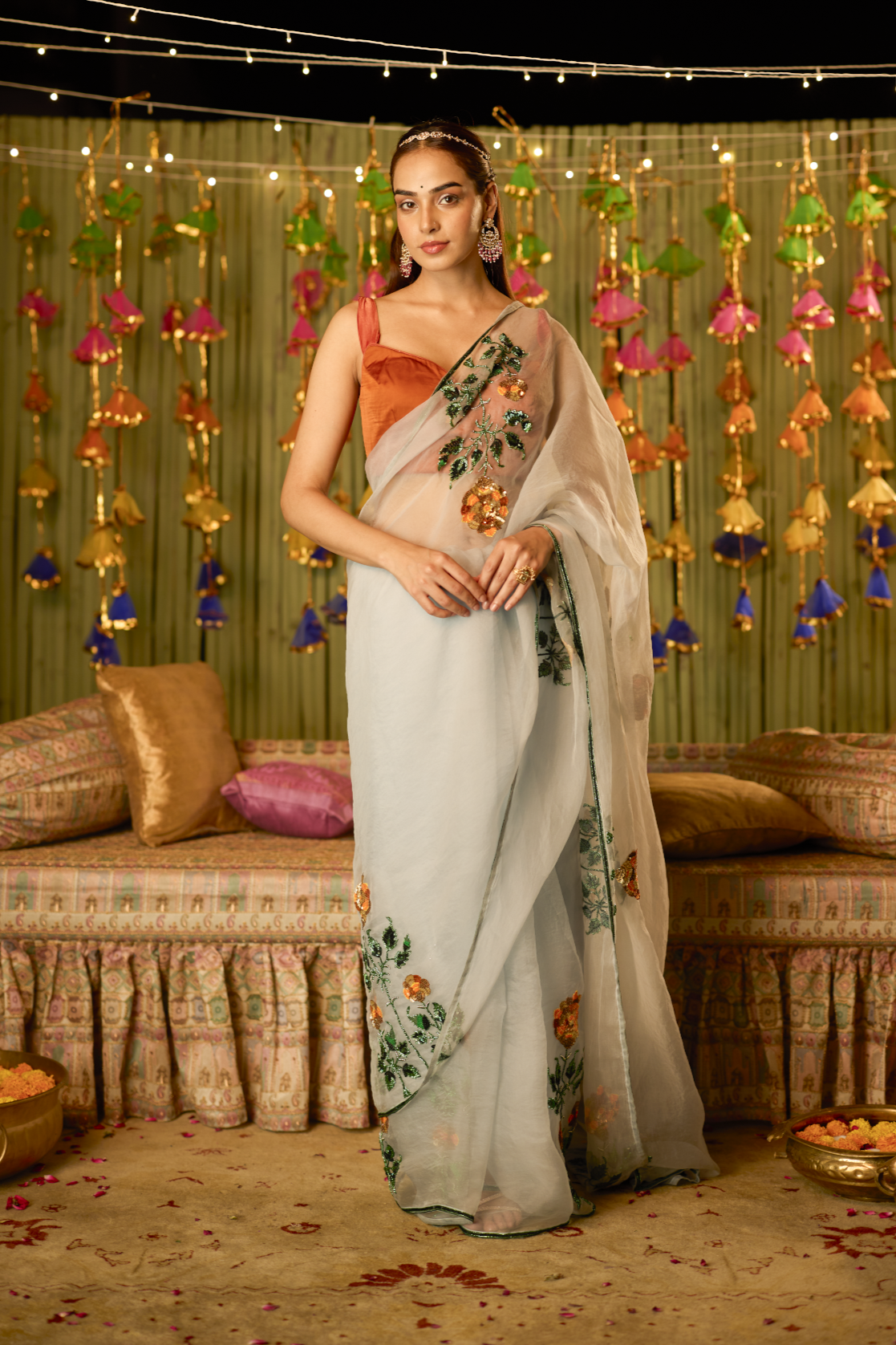
The baraat is the most energetic event of the entire wedding weekend. It's loud, it's joyful, it moves — and if you're on the groom's side, you're not a guest. You're part of the procession. Dressing for the baraat means choosing outfits that can handle dancing, standing in the open air, looking extraordinary in hundreds of photographs, and keeping up with the energy of the occasion. This guide covers everything: fabrics, silhouettes, colors, and how to choose based on your relationship to the groom.
What is a Baraat and Why the Outfit Matters
The baraat is the wedding procession in which the groom travels to the bride's venue, typically accompanied by his family and close friends. In North Indian weddings, it involves music, dancing, and an atmosphere closer to a celebration than a formal event. Unlike the reception — which is seated and controlled — the baraat is kinetic. You walk, you dance, you stand in the sun or under lights for hours. Baraat photographs are among the most enduring images from any wedding. The women in those photographs are remembered for how they showed up.
The 4 Rules of Dressing for a Baraat
Rule 1 — Never Upstage the Bride
Avoid bridal reds, heavy bridal lehenga silhouettes, and anything that reads as "bride." The baraat happens before you even see the bride — stay in your lane and let the procession speak for itself.
Rule 2 — Choose Fabrics That Move Well
Stiff fabrics like heavy brocade or rigid silk feel beautiful in photographs but restrict movement. Silk Organza, Silk Satin, and Satin Georgette all drape elegantly while allowing the freedom to dance.
Rule 3 — Go Vibrant, Not Subtle
The baraat is not the occasion for muted, understated dressing. Purples, limes, blush pinks, peacock greens — the procession is photographed against streets, lights, and crowds. You want to be visible, joyful, and festive.
Rule 4 — Comfort Over Everything
You will dance. Plan for it. Pre-draped sarees, lighter fabrics, and well-fitted blouses make the difference between enjoying the baraat and struggling through it.
Best Fabrics for Baraat Outfits
Silk Organza — The Top Choice
Silk Organza is lightweight, sheer, and catches light like nothing else. It creates movement in photographs and stays cool during long events. The fabric is simultaneously festive and elegant — ideal for the baraat's energy. At Peeli Dori, the Nayanthara Purple Organza Saree (₹24,500) and the Noor Bahar Organza Saree (₹48,500) both feature Silk Organza construction designed specifically for movement in procession.
Silk Satin — For the Statement Look
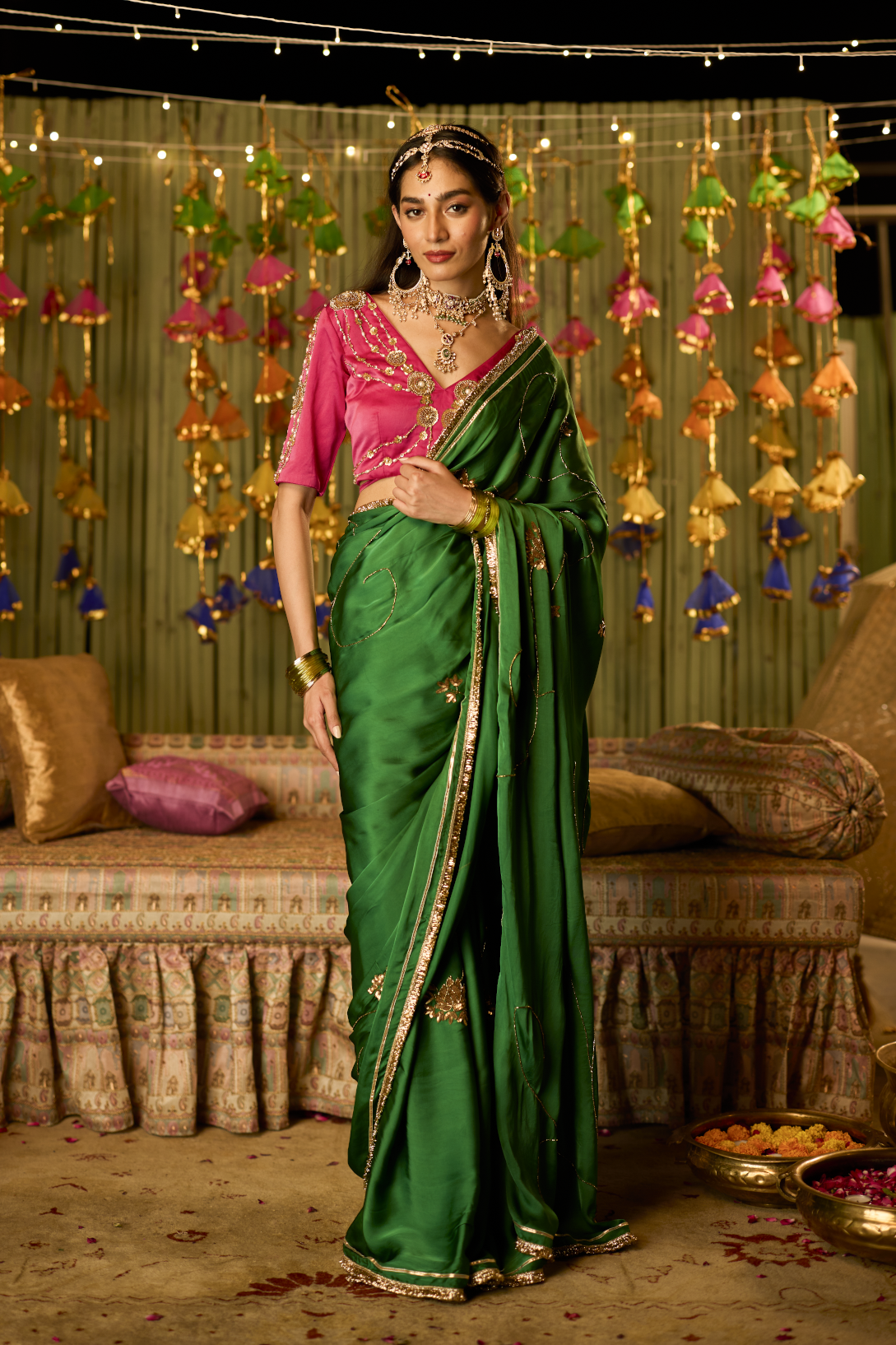
Silk Satin has a rich, photogenic drape and catches artificial light dramatically. For evening baraats — which are the most common — Silk Satin creates exactly the effect you want. The Madhurima Eggplant Purple Saree (₹43,500) and the Siana Silk Satin Saree (₹22,500) demonstrate what Silk Satin looks like on the baraat floor.
Satin Georgette — Comfortable for Long Events
If your baraat runs long or involves significant walking, Satin Georgette offers comfort alongside drape. Less formal than pure Silk Satin, but forgiving and elegant in its own right.
Silk Chanderi — For Anarkali Silhouettes
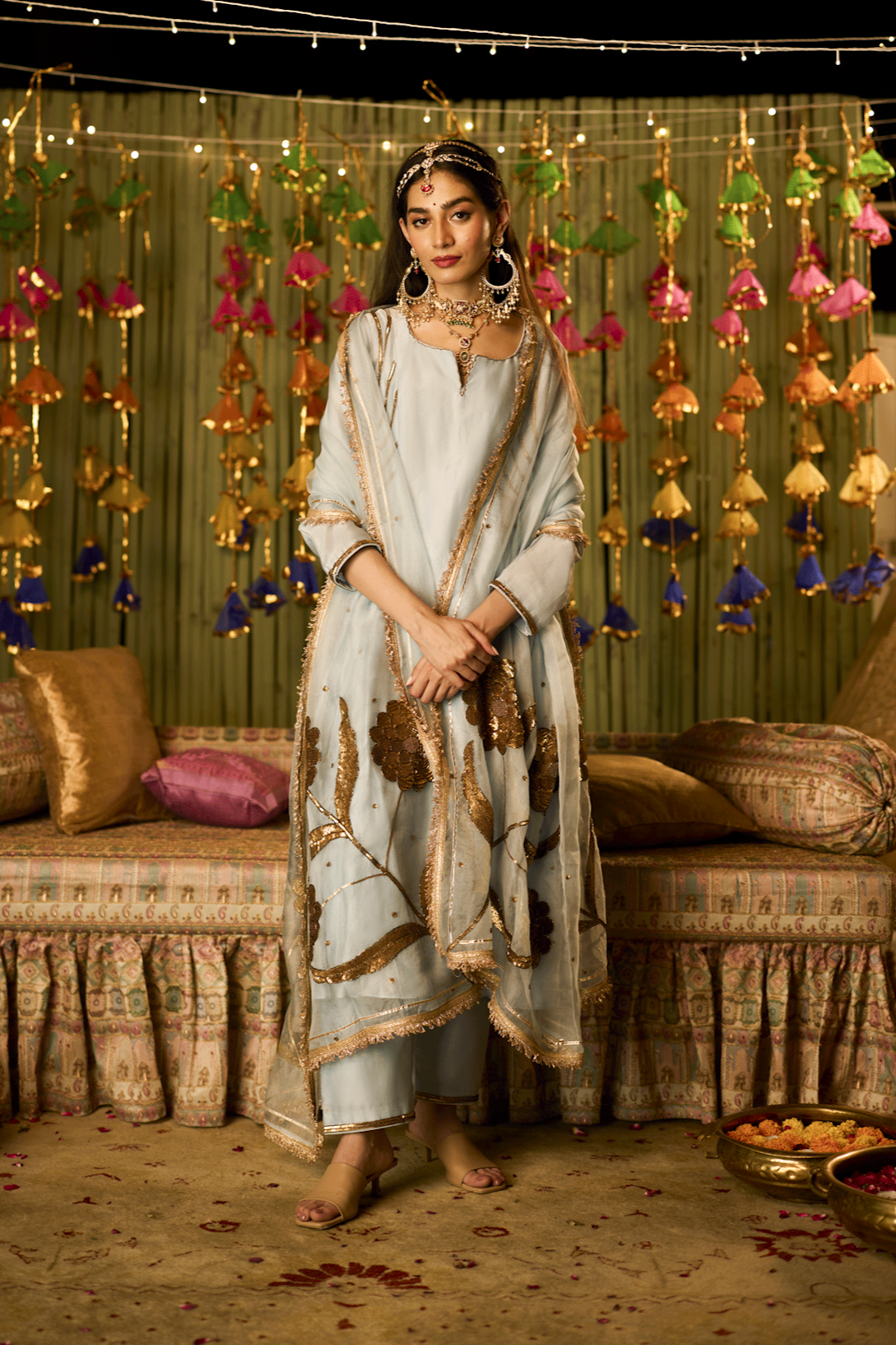
Silk Chanderi is the traditional choice for anarkali cuts — it holds structure while remaining light. The Lauret Anarkali Set (₹36,500) pairs Silk Chanderi with an Organza dupatta for a full festive silhouette.
Baraat Outfit by Relationship to the Groom
Groom's Sister (Nanad) — The Spotlight Look
The nanad is the co-host of the baraat. Her outfit should be intentional, statement-level, and unapologetically festive. A heavy saree or a full lehenga works perfectly. The Noor Bahar Organza Saree in Silk Satin with hand-done details is the kind of piece that makes the whole procession pause. Pair with heavy kundan jewellery and a gold-thread blouse.
Groom's Mother / Chachi / Maasi — Elegant Festive
The older women in the groom's family carry the dignity of the procession. Choose fabrics that are graceful rather than flashy — lighter organza silhouettes in deep, rich colors. The Nayanthara Purple Organza Saree strikes exactly this balance.
Best Friend / College Friend — Have the Most Fun
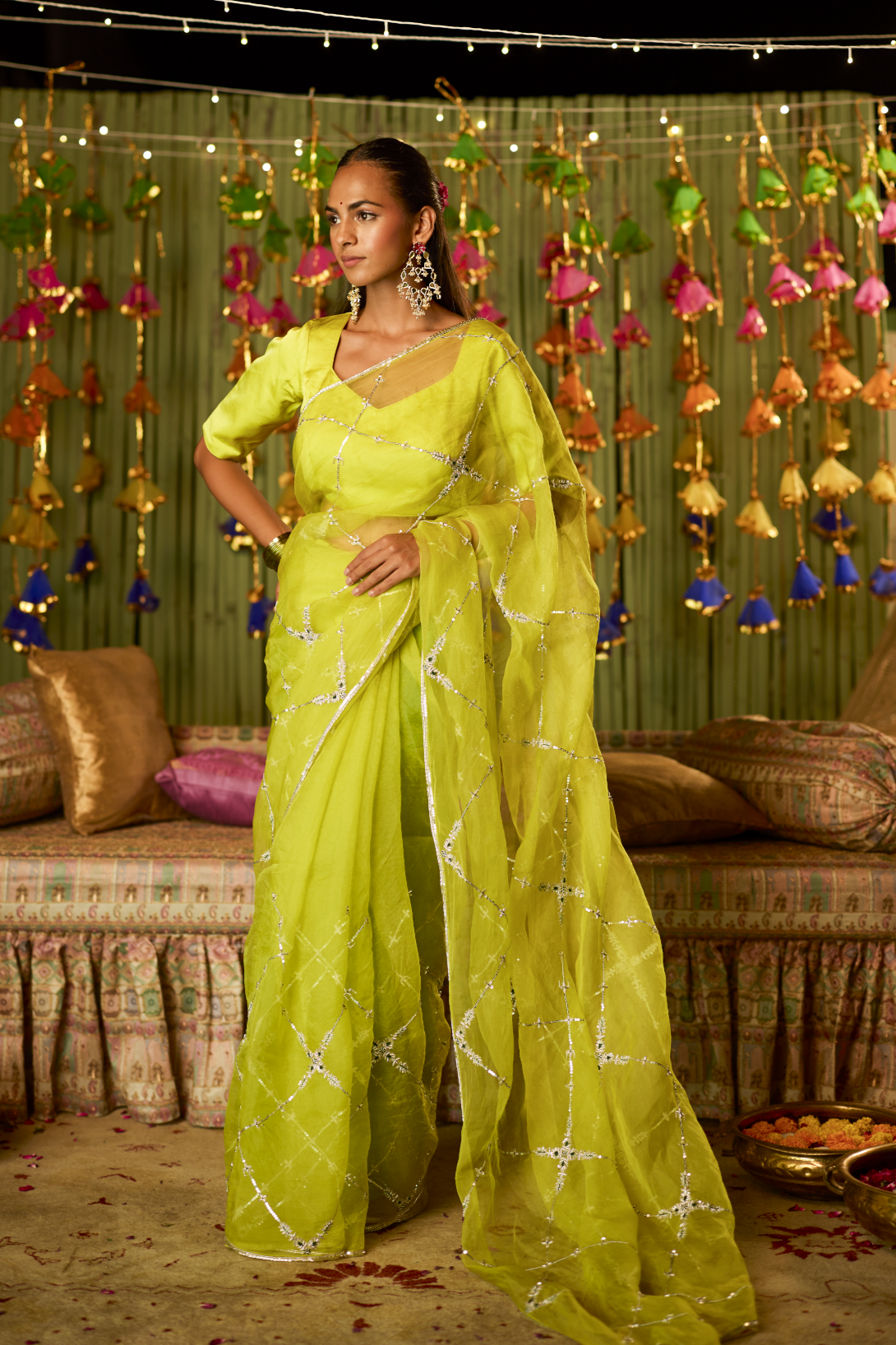
The friend who flew in from another city or cleared her schedule for this baraat deserves the most fun outfit in the procession. Unexpected colors, joyful fabrics. The Noorani Lime Organza Saree (₹44,500) is the definition of a personality statement at a baraat.
Bhabhi — The Graceful Second Lead
The sister-in-law occupies a significant role — elegant but not competing with the nanad. Rich jewel tones and graceful drapes work best. The Madhurima Blush Pink Saree (₹42,000) in Silk Organza is feminine and perfectly placed.
The Cousin Who's Always Overdressed (Proudly)
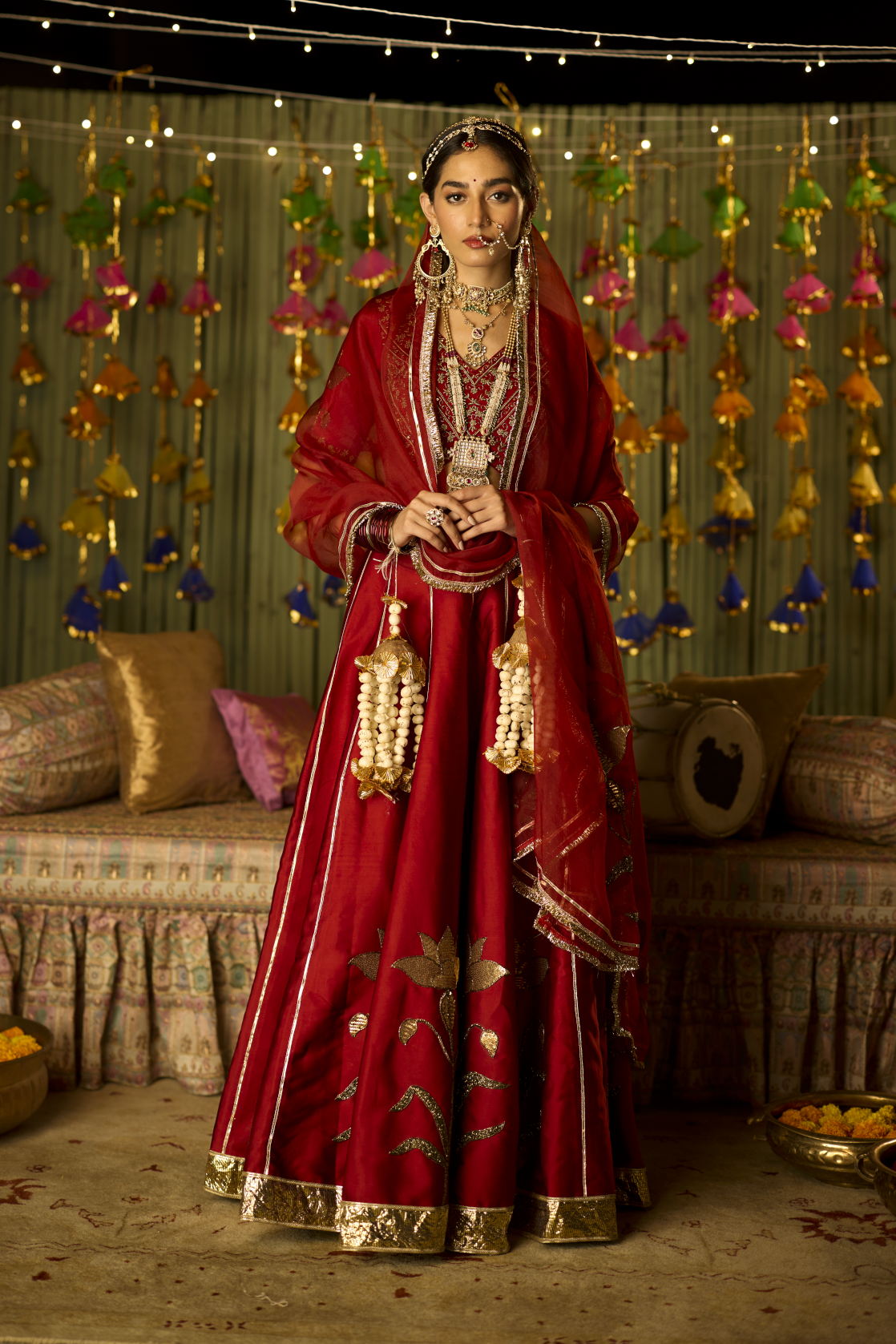
For the woman who goes all out — the Tulip Silk Satin Lehenga (₹69,500) in Satin and Silk Organza is the most statement piece in the BARAATI Edit. Full skirt, festive construction, designed for dancing.
Saree vs Lehenga vs Anarkali for Baraat — Which to Choose?
Saree: The most versatile option. Works for all ages, photographs beautifully in movement, and allows for different energy levels depending on how you drape. Pre-draped sarees or belt-draped styles make dancing easier.
Lehenga: More festive, easier to dance in, and creates a fuller silhouette for photographs. Slightly heavier and warmer — factor in weather for outdoor baraats.
Anarkali: Elegant, structured, and timeless. Works for every body type and age. The structured silhouette photographs cleanly even in crowded procession settings.
Colors That Work at a Baraat (and What to Avoid)
Best colors: Purple (all shades), Lime Green, Blush Pink, Peacock Green, Rust Orange, Eggplant.
Avoid: All-white (too bridal), Bridal reds (the bride's territory), All-black (too somber for a procession).
Jewellery Styling for Baraat Outfits
- With Silk Organza sarees: Kundan sets, pearl drops, lightweight jhumkas. Heavy jewellery overpowers the fabric's sheer quality.
- With Silk Satin: Heavier statement pieces work — polki sets, gold chokers, layered neckpieces.
- With lehengas: Statement maangtika, matching set, or mismatched statement earrings. The lehenga carries the visual weight — jewellery should complement, not compete.
Frequently Asked Questions
Can I wear a saree to a baraat?
Absolutely. A saree is one of the best baraat choices — it photographs beautifully and works across age groups. Choose fabrics that allow movement: Silk Organza or Silk Satin over heavy brocade.
What's the difference between baraat and reception outfits?
Reception outfits tend toward formal, structured, and seated-event dressing. Baraat outfits should account for movement, open-air conditions, and energy. Go slightly more festive and slightly more comfortable for the baraat.
How should the groom's sister dress for the baraat?
As the co-host of the procession, the nanad should dress intentionally and with presence. A heavy saree, full lehenga, or statement anarkali in a vibrant color — this is the one occasion where going all out is entirely appropriate.
Is there a dress code for baraat guests?
No formal dress code, but the unwritten rules are: festive colors, fabrics that move, no white or bridal red, and outfits that match the energy of a celebration rather than a formal ceremony.

The information below is required for social login
Sign In
Create New Account